Our Story

From the art to the artist

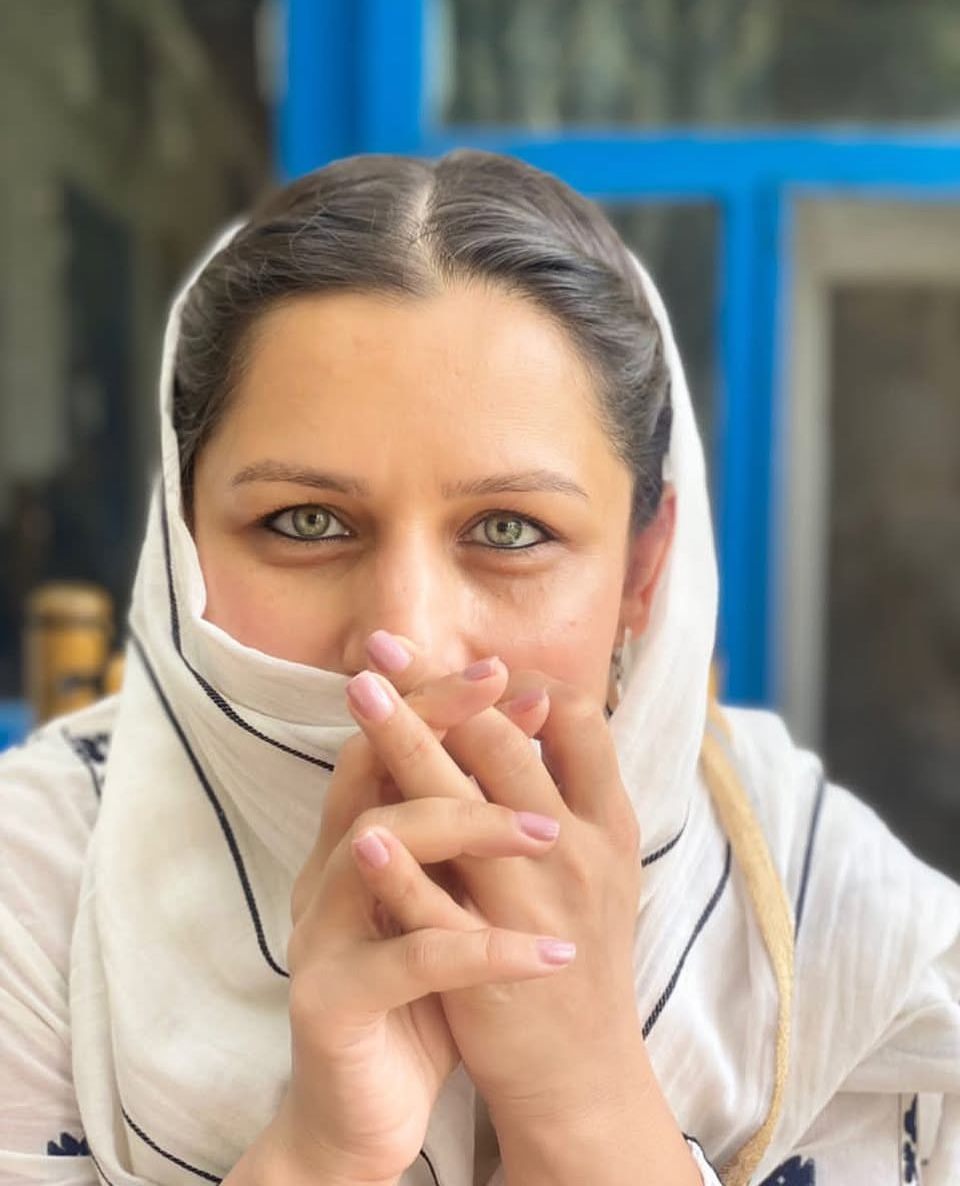
Portrait of the founder

Treasured possessions

All my most favourite possessions are made by Afghan women.

My most treasured possessions are a red velvet dress that my mother got made for me when I was fourteen, nearly thirty years ago, and a green tunban e geebi.

The dress is dark red velvet with golden embroidery; it has horizontal pleats to be undone and restitched when I grew in height, which I never did. The tunban e geebi – the trousers – were made by my uncle's mother-in-law in a village near Balkh city. I patiently waited to be married before I asked her to make me one, as single women did not wear geebi style tunbans. She twisted nine metres of delicate fabric and made a piece of art that I still treasure. Mine was one of the last ones she made before she passed away; no one has yet taken her place in the district.
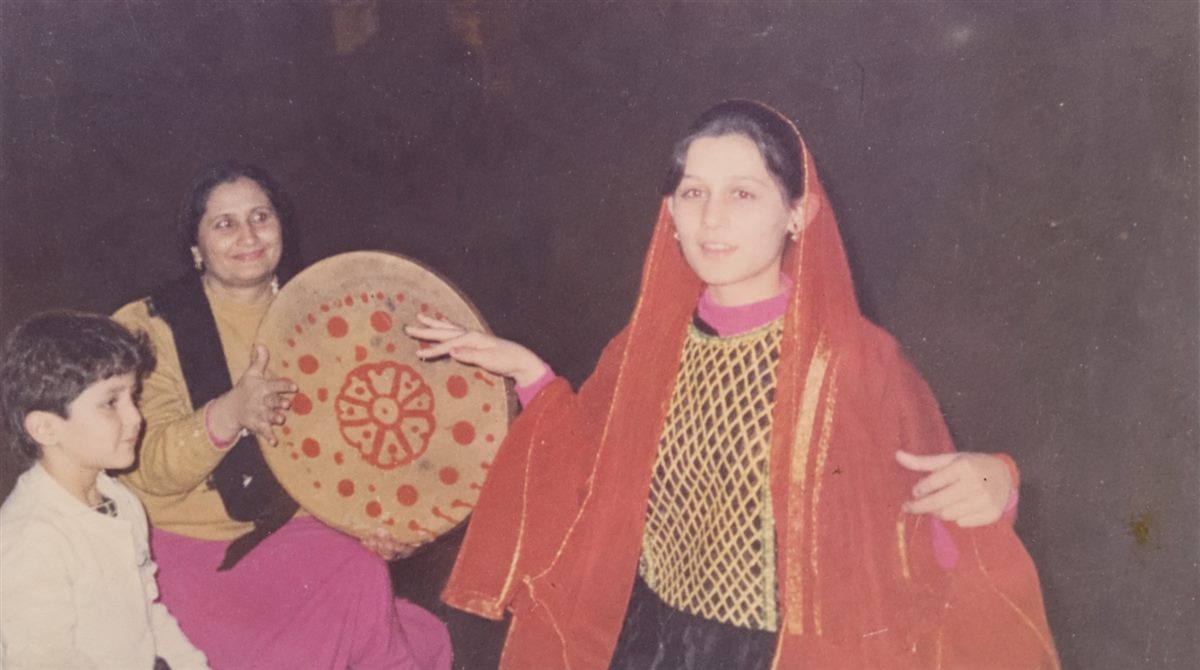
Women playing hand-drums while a girl dances

Northern Afghanistan

When I was younger, I was focused on the objects that the women around me made – the art. In my village in Northern Afghanistan, when we sought shelter during the civil war, I remember watching my great uncle's wife spinning sheep's wool into long threads that she used to make or repair rugs.

Or I'd sit mesmerised by the tidy beads creating patterns in the hands of my neighbours' teenaged daughters. Later, I'd watch older girls embroider their trousseau and panic that I didn't have the skills to make my own, but I would join in where I could.

As I grew older, I started to pay attention to the makers. I moved from the art to the artist.
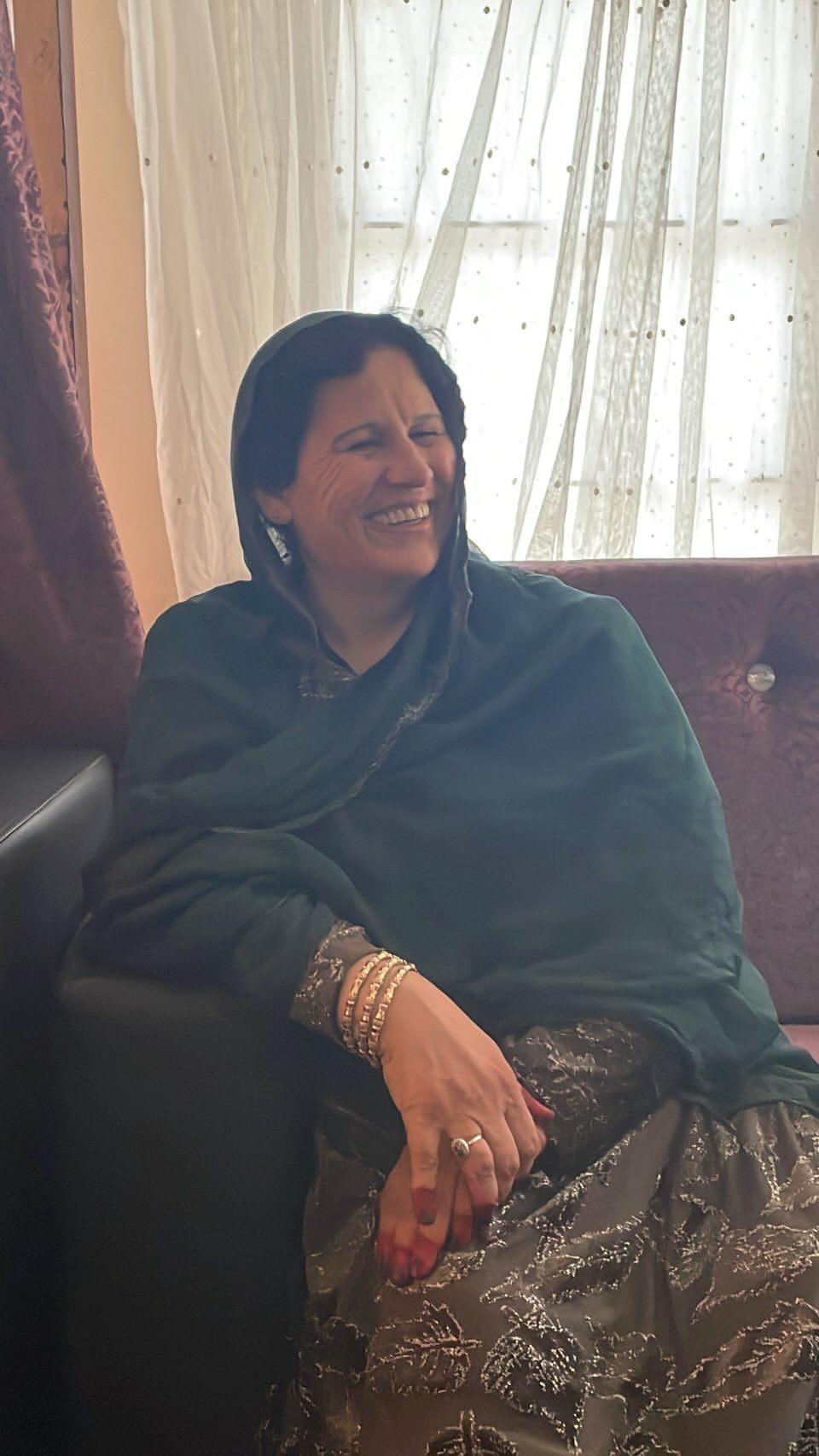
A woman smiling on a couch

My aunt, Shaista · Khost

One such artist is my paternal aunt, Shaista. She was born and brought up in Kabul in the 70s. In the 80s, when I was a toddler and my aunt was a teenager, she married a much older man and moved to rural Khost. There, she gave birth to eleven children, looked after a farm, and learnt Khosti style heavy embroidery. She lost her eldest son to a terrorist attack, three of her children moved abroad, and her husband was imprisoned.

She says she would embroider to forget her sorrows. Embroidery became her way of showing love and care. She makes me a dress every spring, on my birthday. When I wear the dresses and catch my reflection, I see traces of my aunt, Shaista, looking back at me. We share the same eyes and the same cheekbones, yet our lives have unfolded in completely different ways.

Women cooking over an open fire

Bamyan · Wardak · Ghazni · Daikundi

I have travelled to 29 out of 34 provinces of Afghanistan, and everywhere I have been I have seen women making beautiful things that carry parts of them.

Years ago, I spent weeks interviewing women from Bamyan, Wardak, Ghazni and Daikundi. I exchanged my labour for their knowledge. I pulled felt for them while they spoke into my microphone. Because I took part in their art, I understood their lives better. I understood that making felt rugs was not only a way to make a livelihood, but it was also a way of maintaining a sound mind. I now sleep on a felt rug and line my home with them.

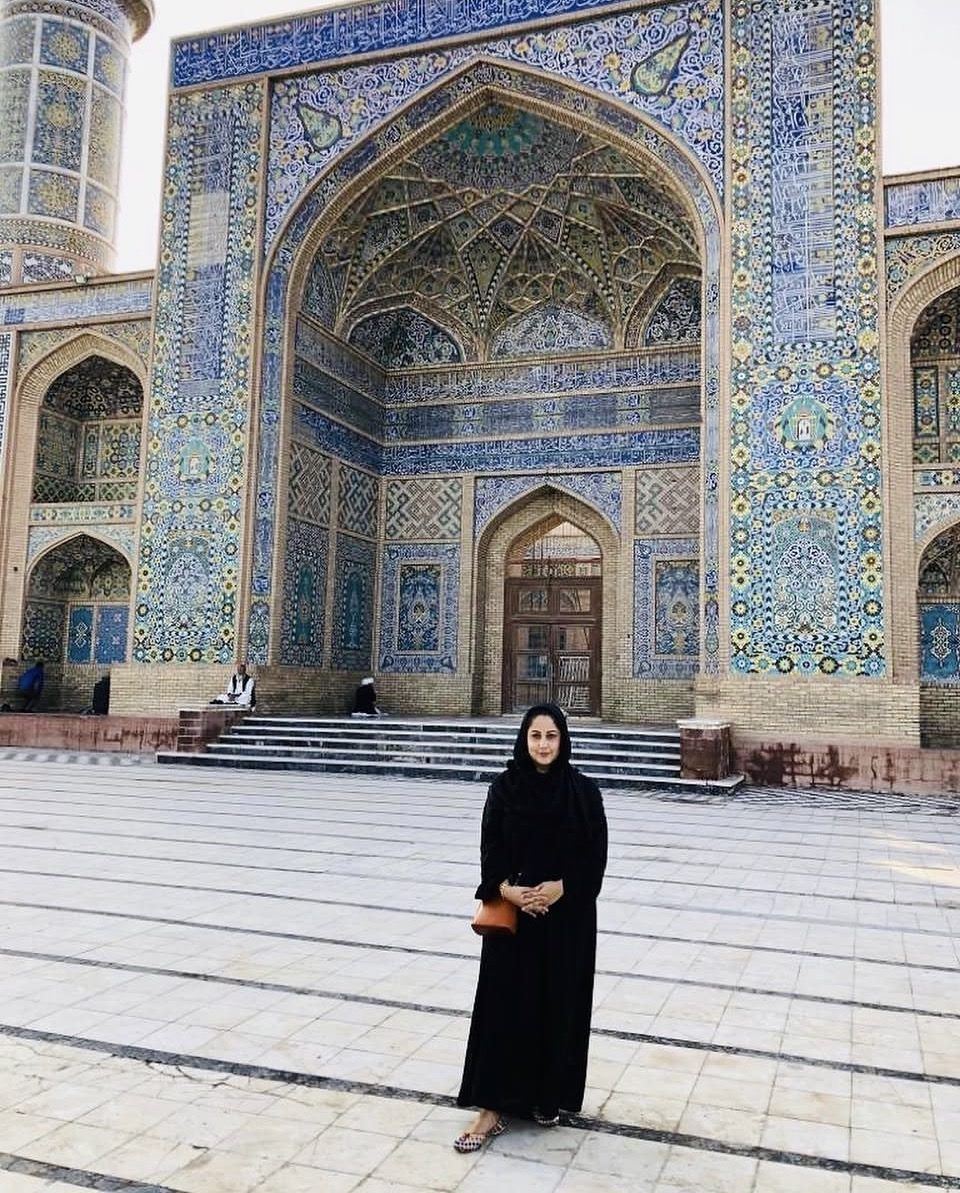
A woman standing in front of a tiled mosque in Herat

Herat

In Herat, I visited ateliers that wouldn't look out of place in Paris or New York. In one, I met a woman deported from Iran, with her art. She made me a black trench coat which I wore in New York, Berlin, London and Tokyo and looked like a million dollars.

This woman maker talked to me about her struggles as a refugee in Iran and making the most of her time learning skills that now help her pay her bills and send her daughter to study abroad.

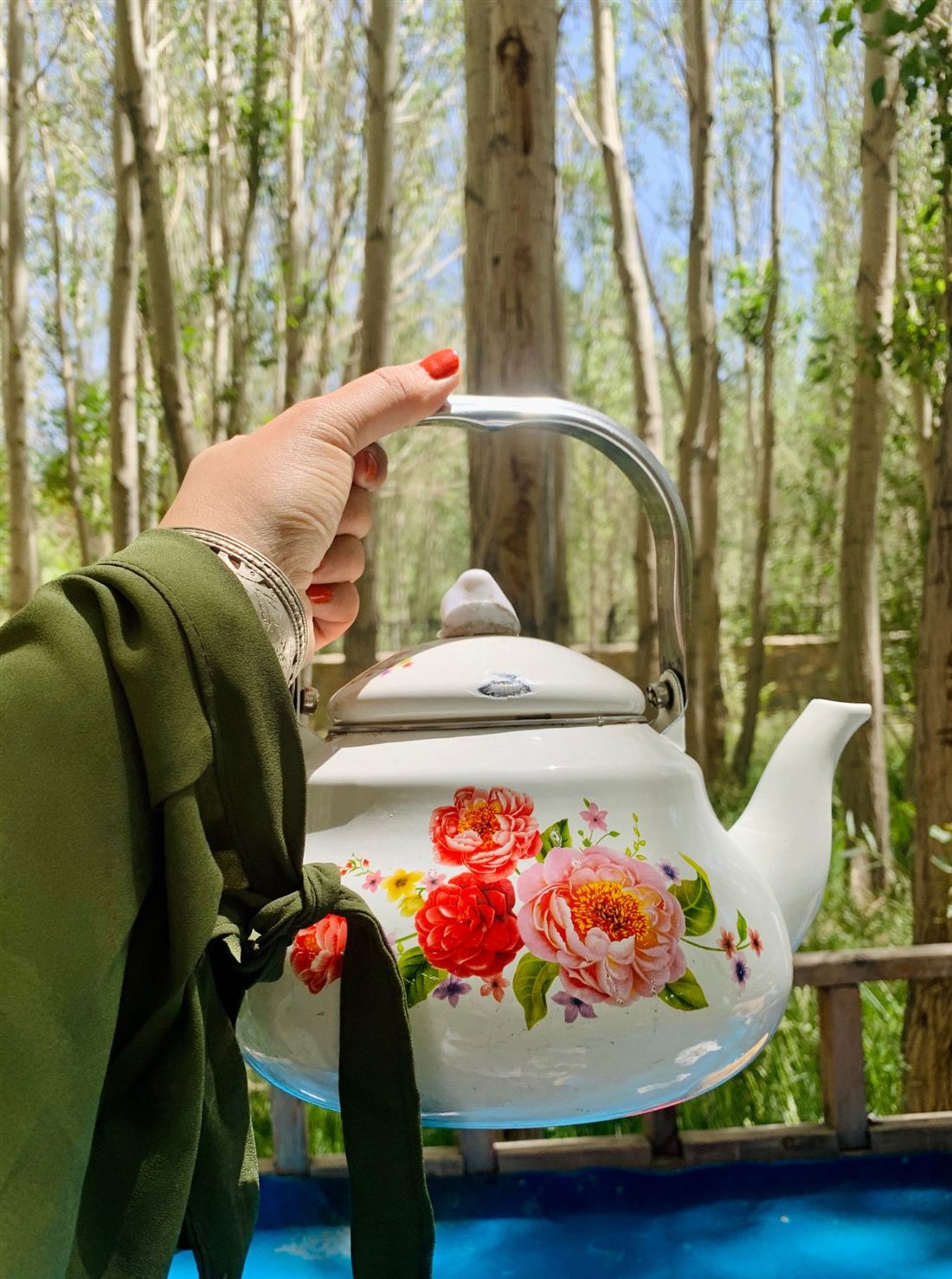
A hand with silver bangles holding a floral teapot

Kabul

In Kabul, I was picking basil when I met a woman and started a conversation – first about making basil chatni and then about her art. In her 60s now, she makes jewellery out of silver and semi-precious stones.

I visited her home workshop and watched her and younger women twist silver into earrings that had 70s fashion vibes. We talked about ageing, about passing on art to the new generation. I bought all the jewellery I could afford and gifted it to everyone I knew.

A woman's hand with red bangles

Wahida · Paktia

In Paktia, I met Wahida. She lost her husband, Wahid, in a car crash where everyone else survived but him. Wahida, in her teens at the time with two children, was widowed. She told me she loved her husband, and she could not imagine getting remarried. She took up beadwork; she would make intricate decorations for bridal dresses with beads and whole spices like cloves.

Her children are both grown up now. Her daughter married after finishing high school and her son has moved to the US after working with the Americans as a translator. She lives alone again but near her married daughter. She complained that she could no longer do the intricate beadwork because she could not see like before. I gave her my reading glasses and she gave me a decoration with beads and cloves, which I hang on my pin board above my desk at work.

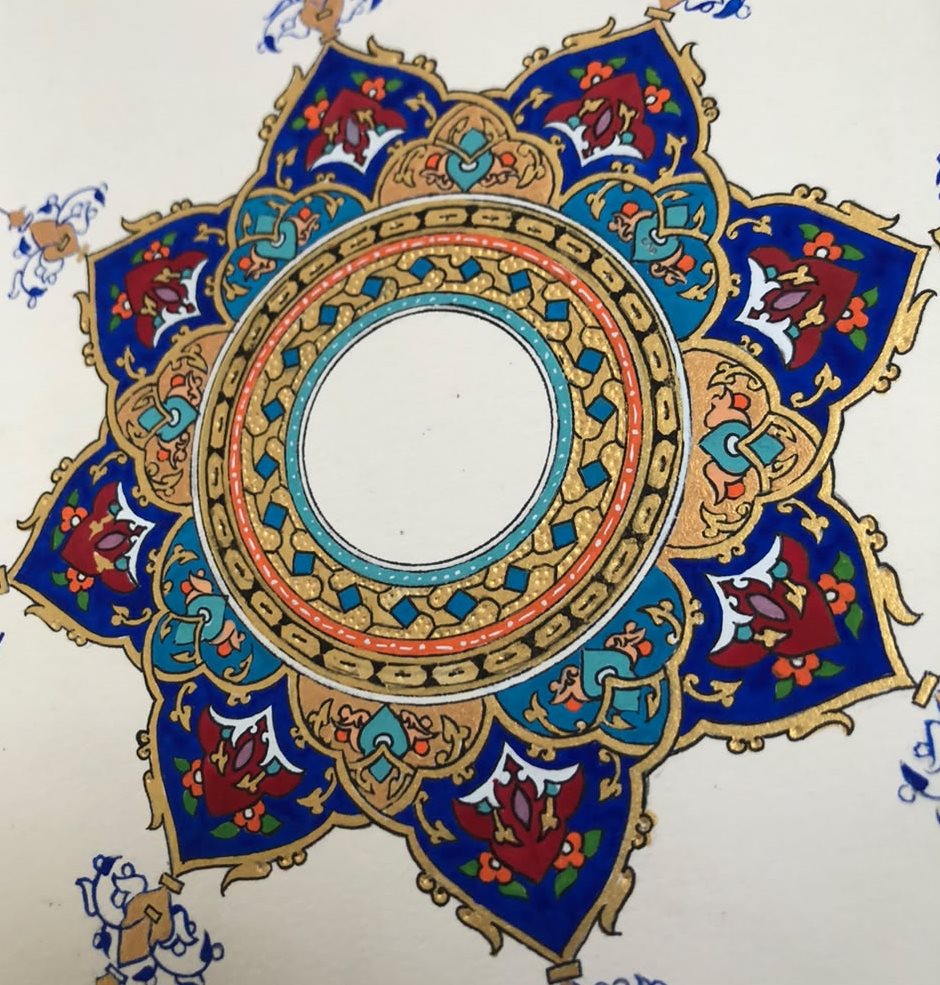
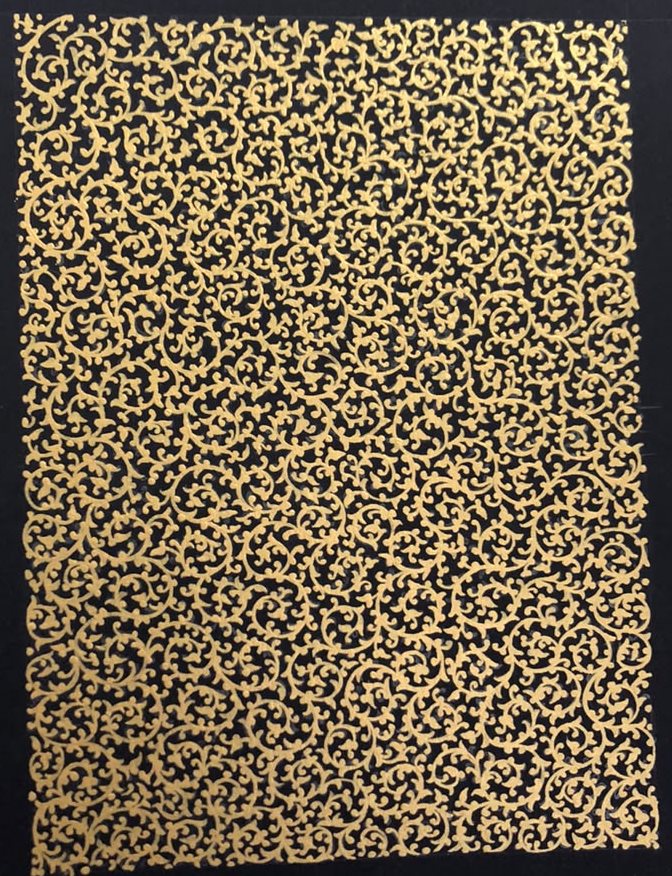
Miniature paintings by MariamMiniature paintings by Mariam

Mariam · Kabul

Five years ago, I met Mariam, an artist and a lecturer of fine arts at Kabul University – now working in advertising. She wears her scarf loosely, the front of her coat is always open, and she always has red lipstick on.

Mariam does miniature painting, and I asked her to teach my daughters. I watched as she softly guided my ten-year-old's hands spreading turquoise and gold on paper. Under Mariam's guidance, simple shapes became flowers and vines. I framed my daughter's first miniature painting and put it on my bookshelf. I imagine Mariam in galleries in Berlin, Barcelona or Amsterdam with her red lipstick, her hair hanging loose on her shoulders, surrounded by her art. I buy Mariam's paintings and put them above my dining table.

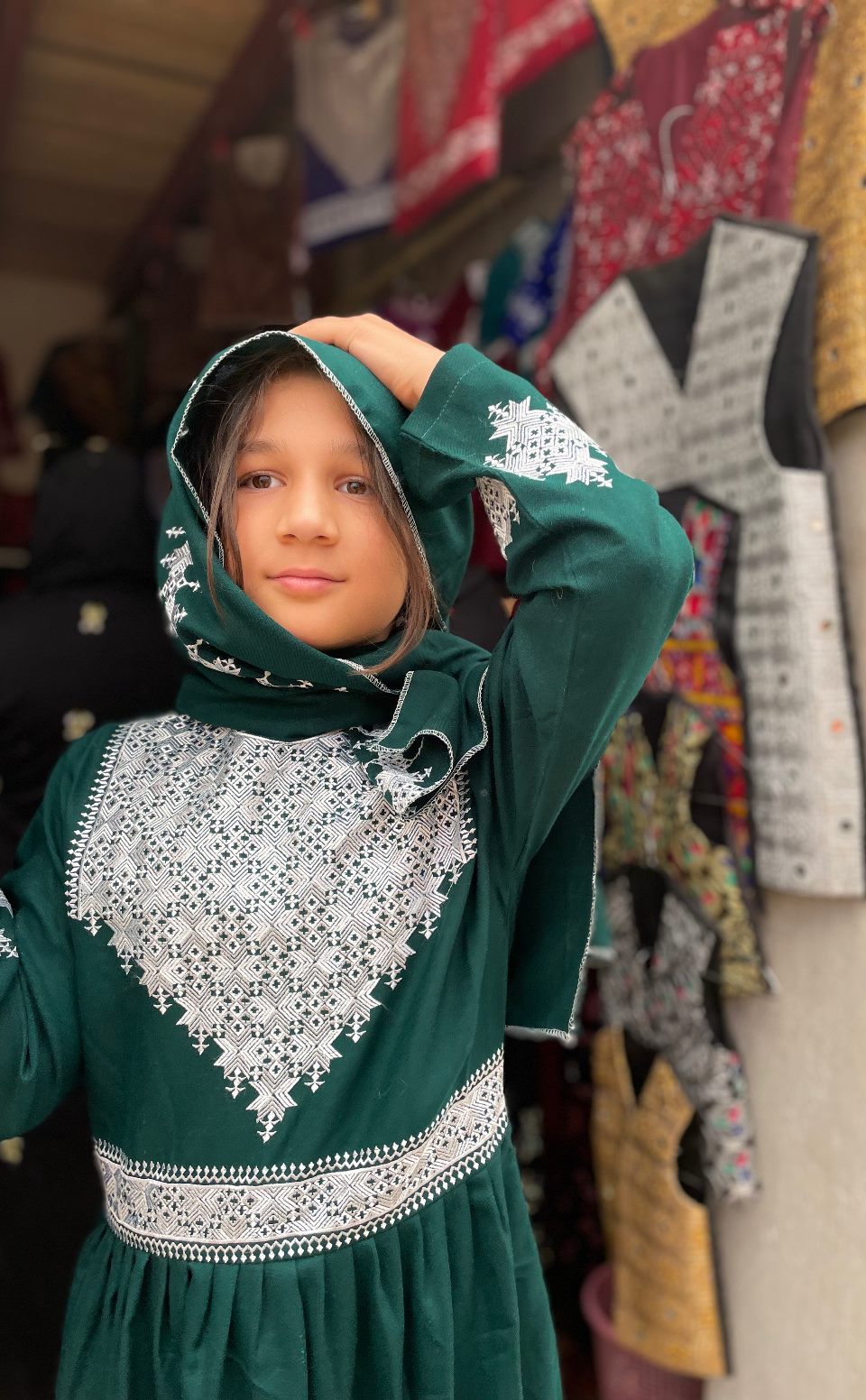
A girl in a green embroidered dress standing in a doorway

She Makes Afghanistan

When people talk about women of Afghanistan, I don't see these amazing women in their narratives. The empathy and sympathy people express for Afghan women, I feel, does not bring them close enough to understand these women makers.

She Makes Afghanistan is my attempt to build a bridge between these extraordinary women and the people who would love their work if only they had the opportunity to discover it. My job is simply to help the world see what I have been fortunate enough to see for years, and connect these women and their art to the world.

Bring their work home

Every box is made by women artisans across Afghanistan, and all profits go to Afghan women.